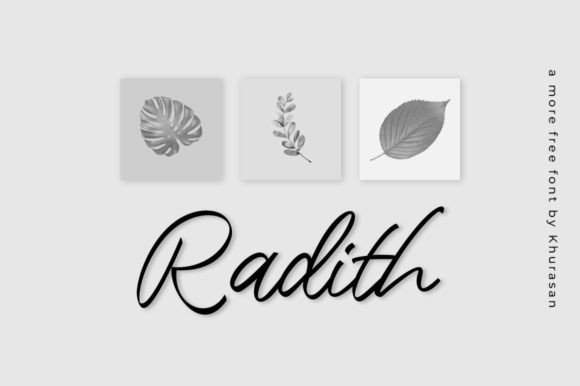
Radith: A Handwritten Font That Brings Labels and Labels to Life
I was working on a set of candle labels the other day, trying to find that perfect font that felt both elegant and approachable. I had tested a few script fonts, but none quite captured the warmth and personality I was going for. Then I stumbled upon Radith. From the first moment I saw it, I knew it was exactly what I needed.
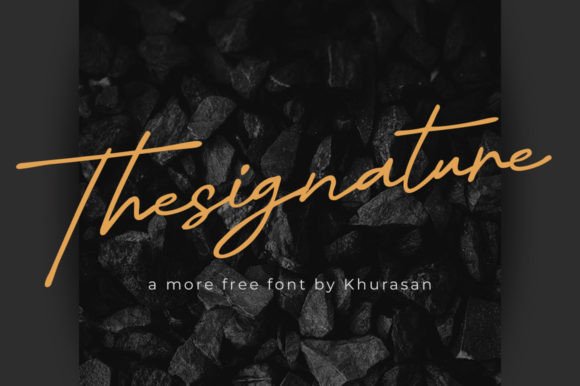
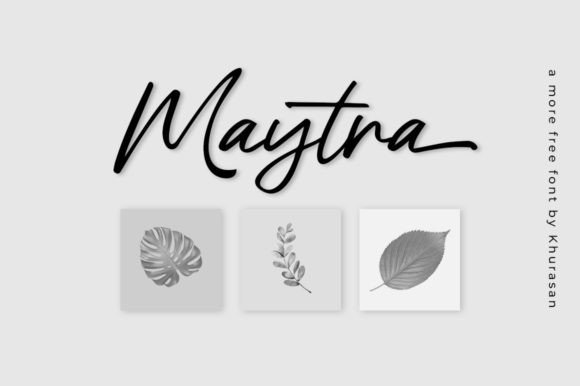
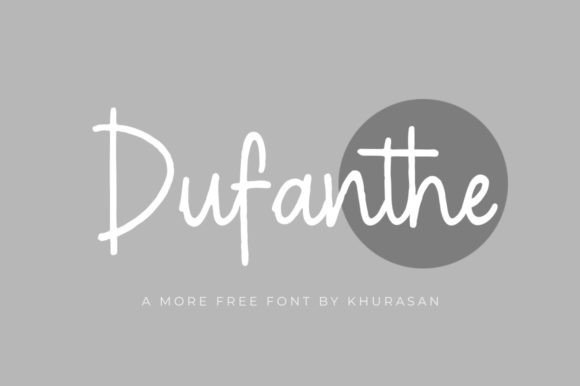
Radith is a modern script and handwritten font with a soft, organic feel. It has the charm of a handwritten note, but with the clean lines and consistency of a professionally designed typeface. The curves are gentle, the strokes are fluid, and the overall look feels inviting and personal—perfect for anything from greeting cards to boutique packaging.
One of my favorite things about Radith is how well it works on small details. I used it recently for a batch of seasonal sticker sheets. The font scaled beautifully down to tiny sizes without losing its character. Each letter still felt intentional, and the overall look was cohesive across the entire sheet.
I also experimented with using Radith on a set of birthday invitations. The font added a touch of whimsy, especially when paired with a simple sans serif font like Montserrat for the body text. It created a nice contrast between the decorative heading and the readable content below.
For product packaging, I found that Radith gave my handmade candles a more artisanal feel. I used it on the front label along with a short phrase like “Hand-Poured with Love,” and it instantly elevated the design. It made the product feel more personal, which is something I always aim for in my shop.
When designing printable wall art, I love how Radith adds a sense of movement and energy to the text. I used it for a quote about mindfulness, and the way the letters flowed together felt almost like a piece of calligraphy. It made the artwork feel more dynamic and engaging.
Another great use for Radith has been in creating digital download templates. I used it for a set of planner pages that included weekly goals and affirmations. The font brought a warm, encouraging vibe to the design, making it more relatable and comforting to users.
It's important to remember that Radith is best suited for short phrases, names, or titles rather than long paragraphs of text. When using it for product labels or signs, I always make sure there's enough space around the text so it doesn’t feel cramped. For smaller stickers or tags, I check the readability at different sizes to ensure the font remains legible and aesthetically pleasing.
Font pairing can be tricky, but with Radith, I’ve found that combining it with a clean sans serif font like Lato or a simple serif font like Georgia works really well. It gives the design a balanced look, where the handwritten feel of Radith is complemented by the structure of the other font.
If you're planning to use Radith for commercial purposes, such as selling physical products, printables, or digital downloads, I recommend checking the font’s licensing agreement. Make sure it allows for commercial use and that you have access to all the necessary file formats, including OTF, TTF, and SVG if needed. Also, look out for any alternates, ligatures, or swashes that might enhance your designs.
Using Radith has become a staple in my creative process. Whether I’m working on a holiday tag, a wedding invitation, or a new set of printable templates, this font consistently delivers a sense of warmth and authenticity. It’s not just a font—it’s a tool that helps me bring my vision to life in a way that feels genuine and heartfelt.
I encourage any maker, designer, or seller to give Radith a try. It’s a versatile, beautiful font that can add a unique touch to your projects. And since it’s available as a freebie, there’s no reason not to explore how it can elevate your designs and help your brand stand out in a sea of competition.